Garage Door Spring Noise Explained
Squeals and groans often point to dry or worn coils. A loud bang usually means a spring has broken. Those two ends of the spectrum need very different responses.
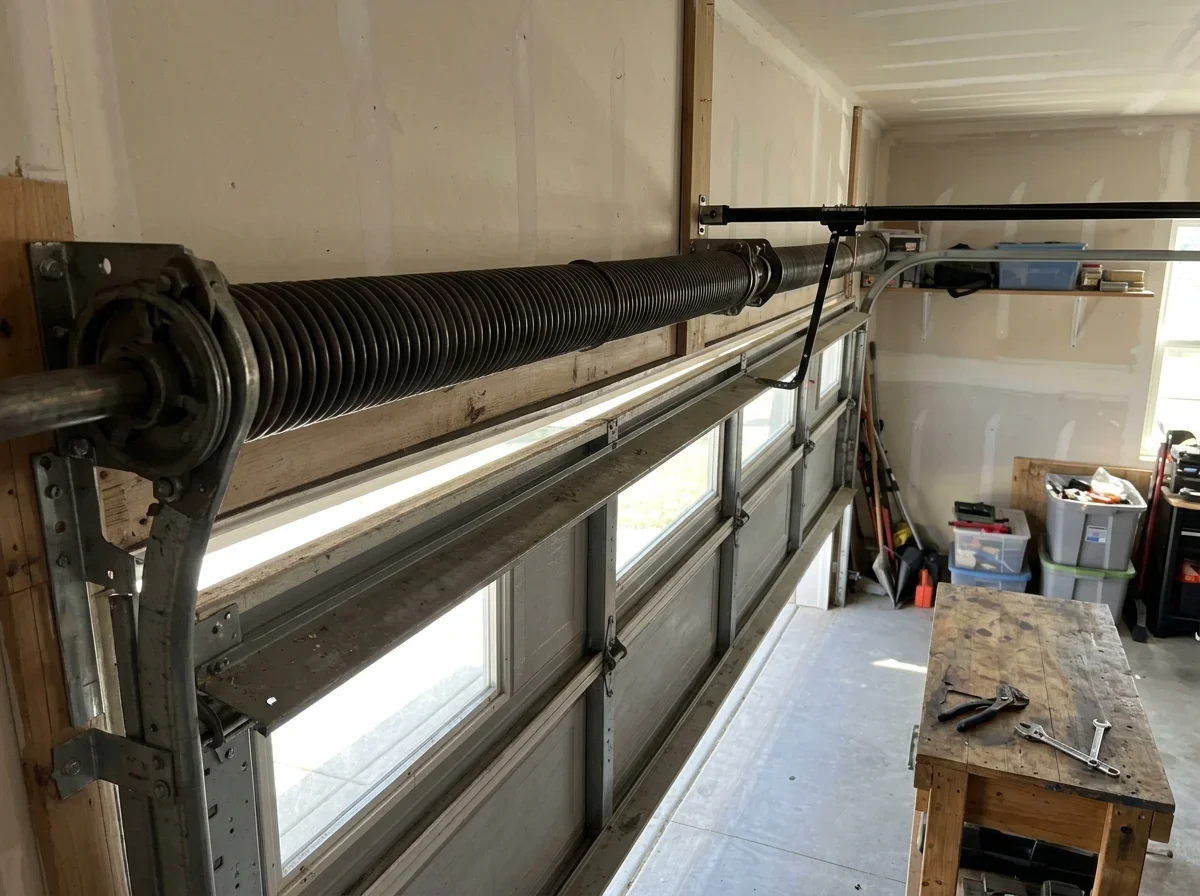
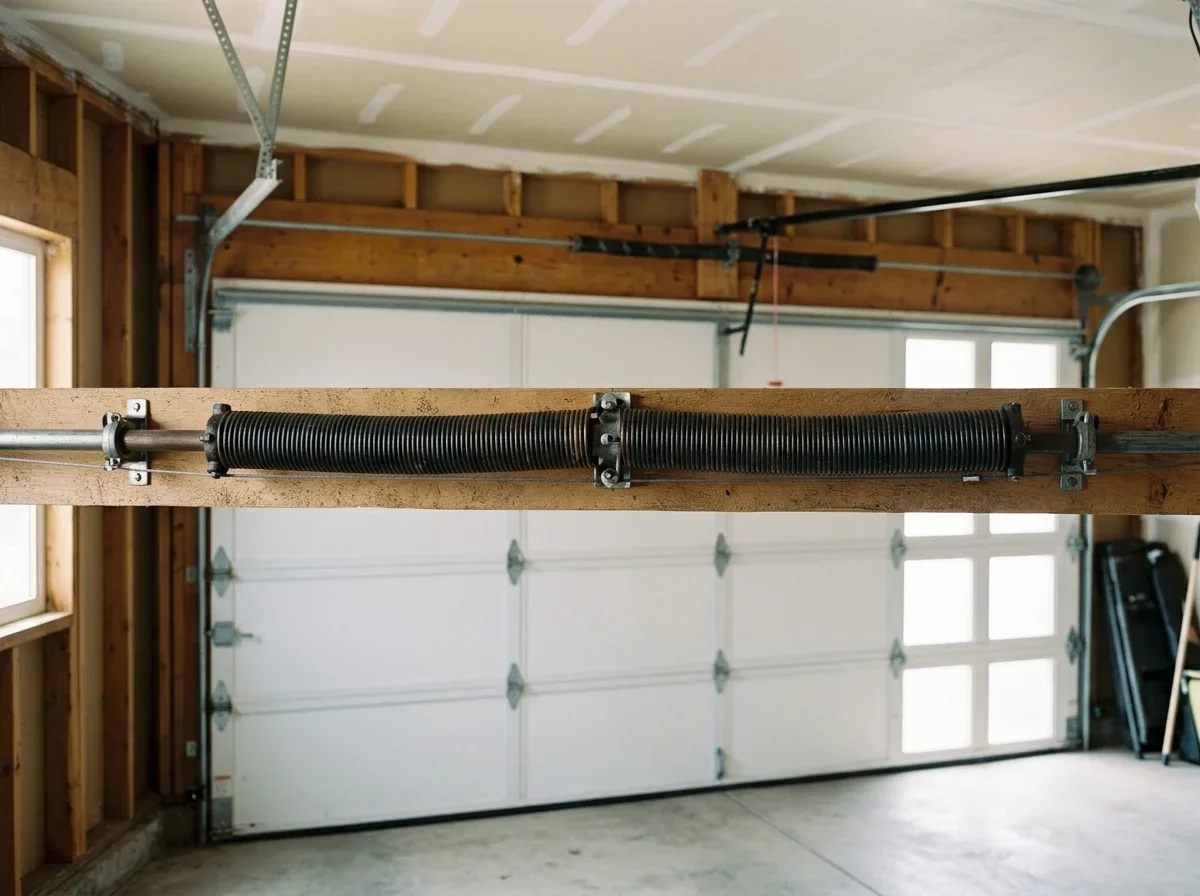
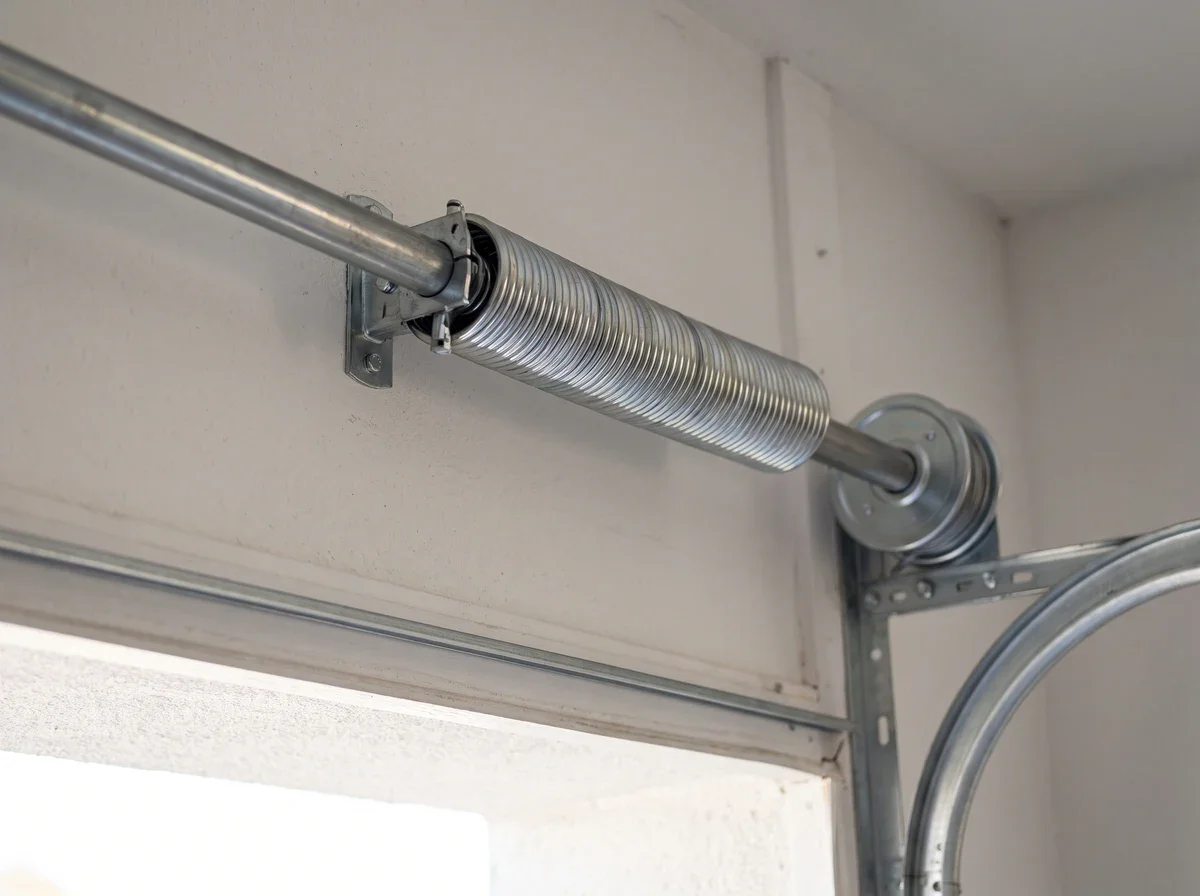
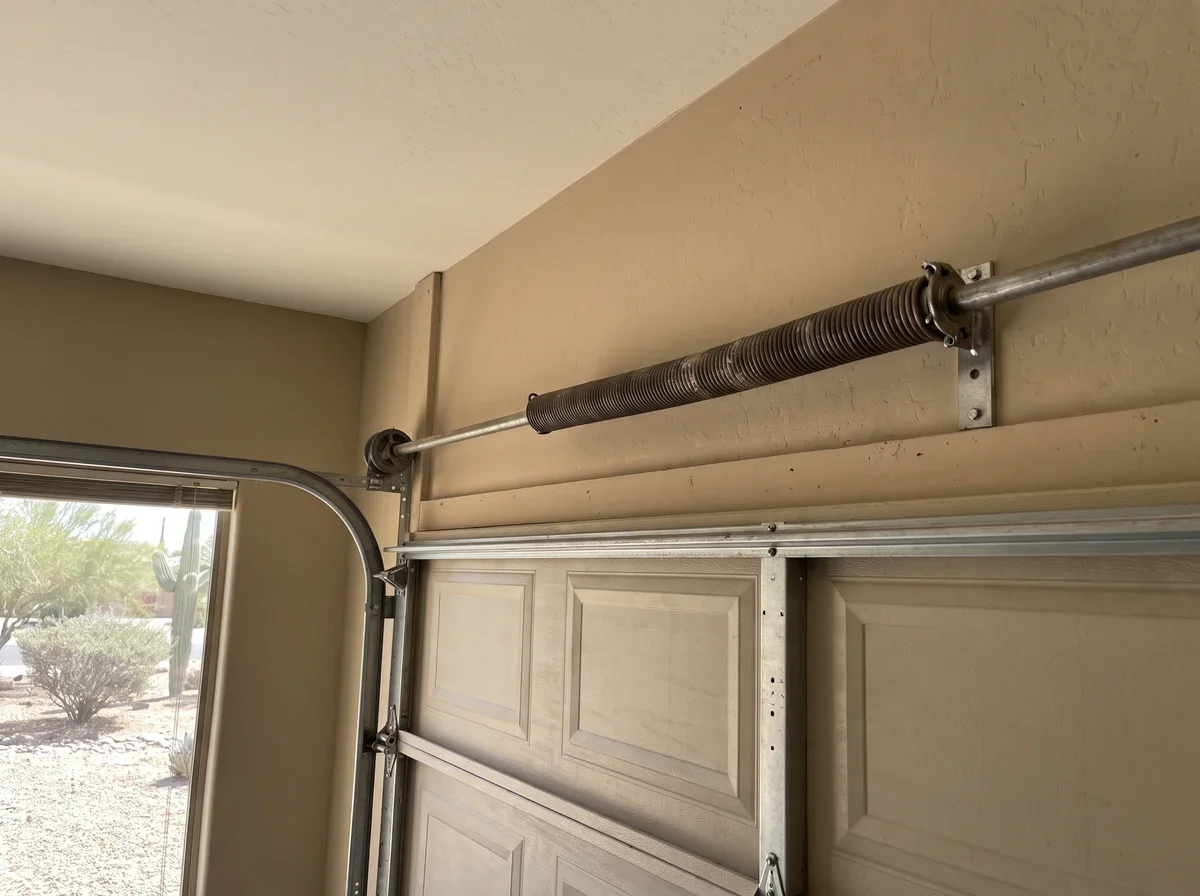
Springs wear out with use. DASMA, the Door & Access Systems Manufacturers Association, states plainly that garage door springs wear and can cause injury when they break.[1] How long yours last depends on several factors, including how many times the door cycles each day. Regular lubrication as the manufacturer specifies helps maximize cycle life.[3]
Don't assume a noise is harmless just because the door still opens.
A spring can keep working while it gets louder, and a quiet door after lubrication does not prove the spring is healthy. If you want a sense of timelines, see how long garage door springs last.
Squeal, Groan or Bang: What Each Means
The sound alone can't pinpoint the fault, but it narrows things down.
Squeal
A high squeal during movement often means dry metal-on-metal contact. DASMA recommends trying a spray-on lubricant for garage door noise and calling a professional if the noise persists.[1] Garaga also notes that oiling the springs can reduce operating noise.[5] Check your owner's manual for the lubrication instructions that apply to your door.[4]
Use a garage-door-specific lubricant rather than whatever is in the cabinet.
Apply a small amount to the coils and other moving metal points like hinges, rollers and bearings. Cycle the door a few times, then wipe off the excess. Clean the tracks rather than lubricating them.
Pro tip
Lubricate the hinges, rollers and bearings as well as the coils. Treating only the visible spring is a common reason the noise returns.
Many "spring" squeaks come from rollers, hinges or bearings. Lubricating only the visible spring is a common reason the noise comes back.
Groan or strain
A groan, pop or strained sound can mean worn coils, a binding spring, a bearing problem, or a door that is out of balance. If the door feels unusually heavy, won't stay halfway open, or moves unevenly, treat it as a spring-system problem.
Spraying again and again won't solve it.
Bang
A single loud bang followed by a door that feels heavy, or a visible gap in the spring, means the spring has likely broken.
Stop using the door.
Where DIY Ends
Lubricating and looking are fine. Touching the tension is not.
DASMA says spring systems are dangerous and should be repaired only by trained professionals.[2] Garaga gives the same warning: torsion and extension springs are wound under very high tension and belong to a specialist.[5] Never loosen, wind, adjust or pry at spring hardware, and keep tools out from between the coils.
If you suspect a break, don't run the opener. A door with a broken spring is far heavier than the opener was built to lift, and forcing it can damage the opener or make the door drop.
Whether the second spring should be replaced along with the first is a question for your technician, who can judge its condition on site.
Call for service if you notice any of these:
- A bang, or a visible gap in the spring
- A suddenly heavy or jerky door
- Slack or frayed cables
- Noise that continues after proper lubrication
When you hire, confirm the company's license on the Arizona Registrar of Contractors lookup at roc.az.gov, and ask about insurance directly. Then book garage door spring repair and replacement before the door becomes a safety problem.
Quick answers
What does a squealing garage door spring mean?
A high squeal often means dry metal-on-metal contact. Try a garage-door-specific spray lubricant on the coils, hinges, rollers and bearings, and call a professional if the noise persists.
What does a loud bang mean?
A single loud bang followed by a heavy door, or a visible gap in the spring, means the spring has likely broken. Stop using the door.
Can I adjust the spring myself?
No. Spring systems are wound under very high tension and should be repaired only by trained professionals.
Should I keep using the opener if a spring broke?
No. A door with a broken spring is far heavier than the opener was built to lift, and forcing it can damage the opener or make the door drop.
Questions
- Door & Access Systems Manufacturers Association International (DASMA). "Garage Doors - Safety Tips." https://www.dasma.com/safety-tips/garage-doors/. Accessed October 17, 2026.
- Door & Access Systems Manufacturers Association International (DASMA). "Garage Door Systems - Safety Tips." https://www.dasma.com/safety-tips/garage-door-systems/. Accessed October 17, 2026.
- Door & Access Systems Manufacturers Association International (DASMA). "Factors Affecting Spring Cycle Life." https://www.dasma.com/wp-content/uploads/pubs/TechDataSheets/CommercialResidential/TDS190.pdf. Accessed October 17, 2026.
- Door & Access Systems Manufacturers Association International (DASMA). "Automatic Garage Door Opener Safety & Maintenance Guide." https://www.dasma.com/wp-content/uploads/2020/10/AutomaticGDOSafetyMaintenanceGuide.pdf. Accessed October 17, 2026.
- Garaga. "Spring Cleaning & Your Garage Door." https://www.garaga.com/about-us/stories-around-garage-doors/spring-cleaning-garage-door. Accessed October 17, 2026.