Garage Door Torsion Spring Size: What Is Measured
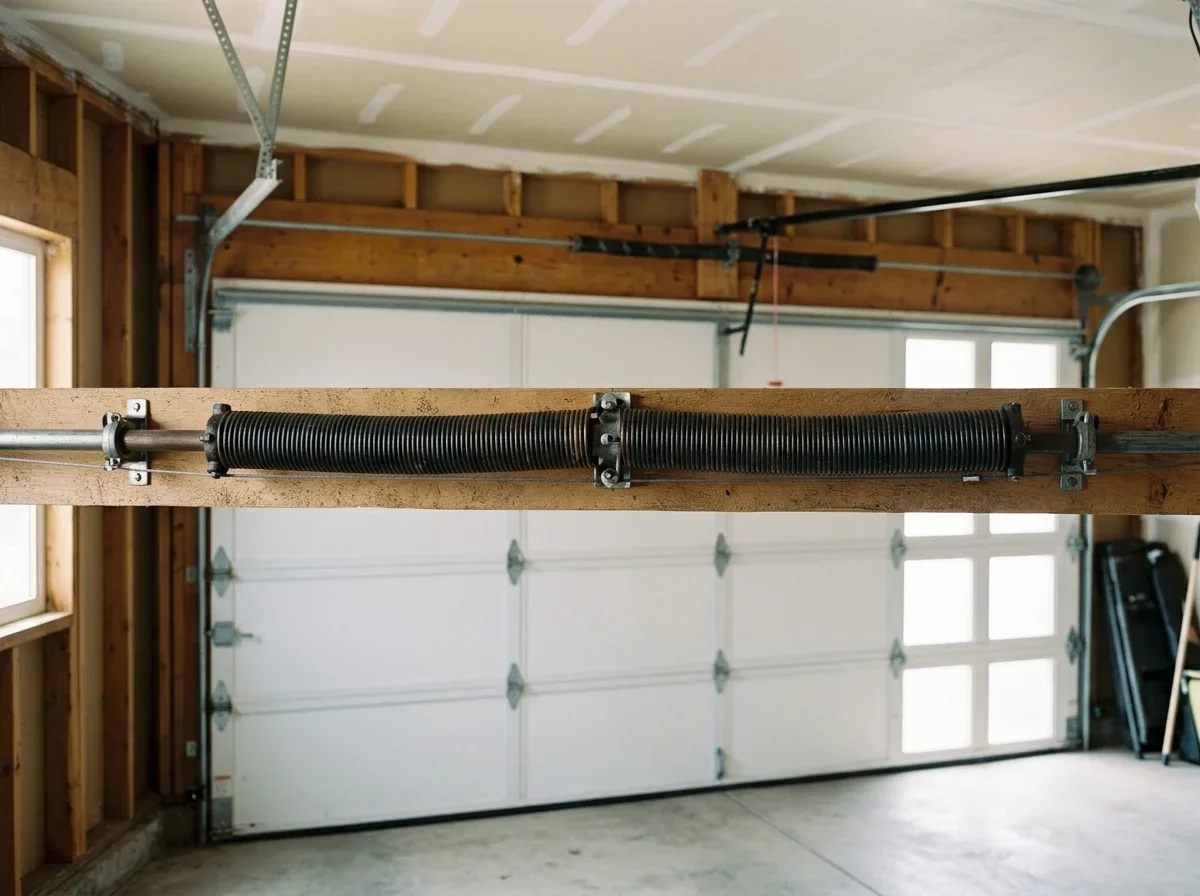
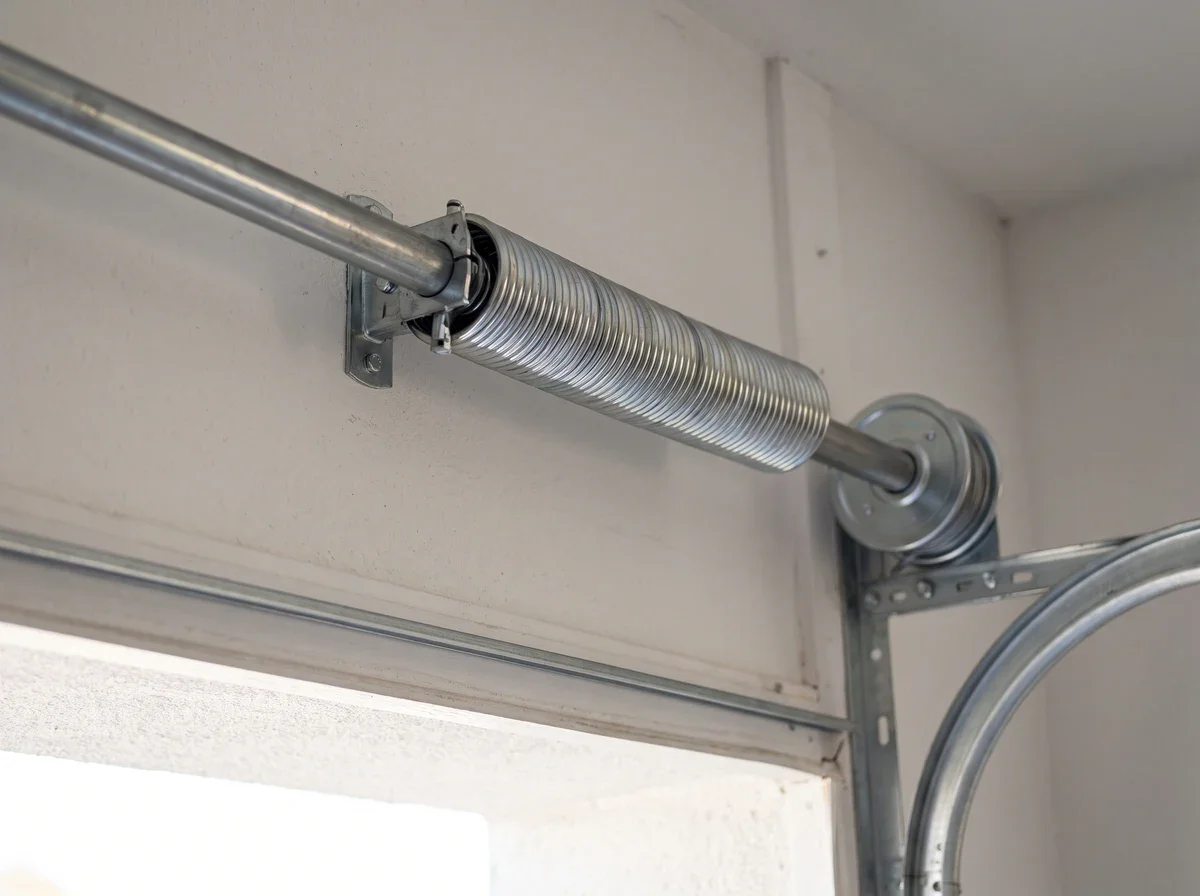
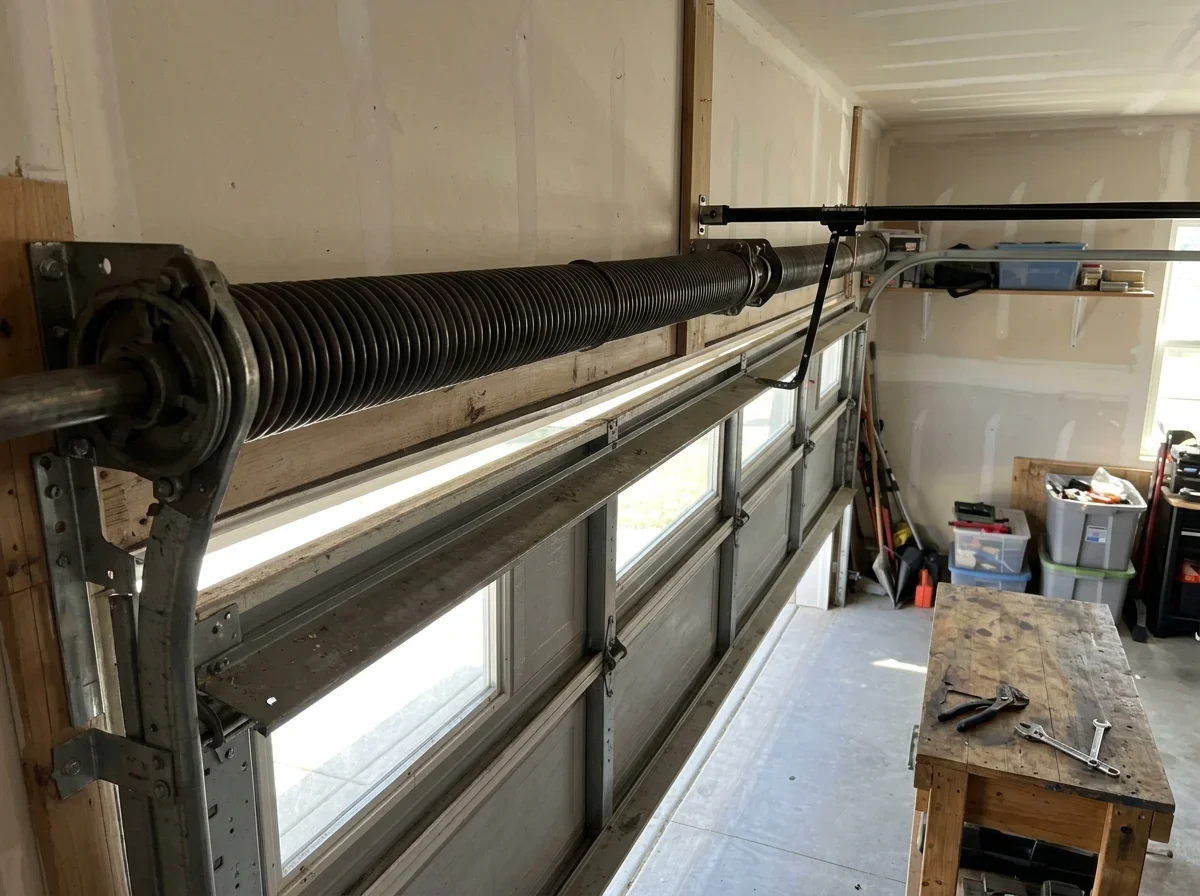
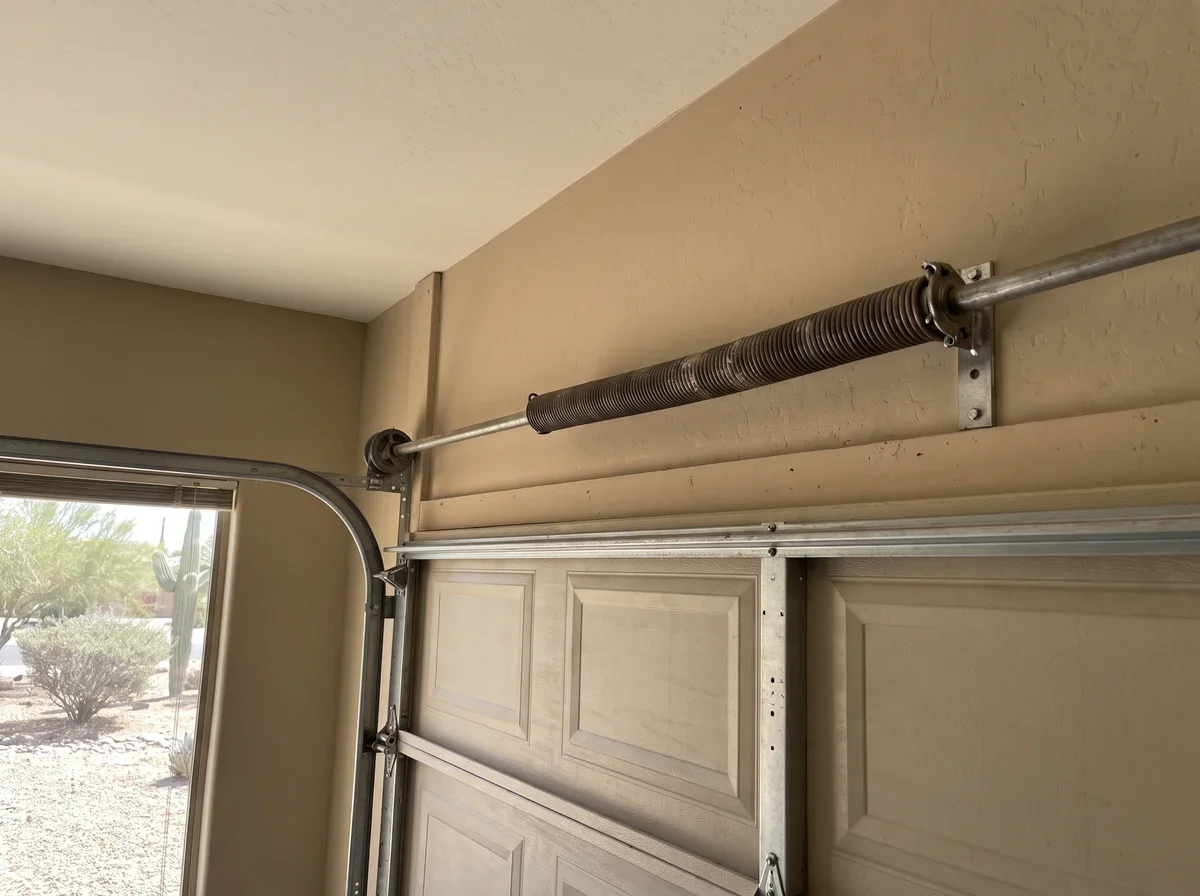
There is no single "size." A torsion spring is defined by wire size, length, and inside diameter, plus winding direction (left or right). The end cones on each side matter too, so a spring can fit the tube and still be the wrong part.
A 16x7 door can use several different springs, because the right one depends on what that specific door weighs. Width and height narrow nothing down until the weight is known.
Wire size is the measurement people miss most. It's found by measuring a set number of adjacent coils, often 10 or 20, then dividing the total length by the coil count. Eyeballing one coil invites error.
Length has its own trap. A spring still under tension can stretch, so it may read longer than its true unwound length.
Inside diameter is separate from wire thickness. It determines whether the spring fits over the torsion tube.
Paint color on the spring end hints at wire size only and says nothing about length or inside diameter.
| Measurement | What it tells you |
|---|---|
| Wire size | Measured over 10 or 20 adjacent coils, then divided by the coil count |
| Length | Can read long if the spring is still under tension |
| Inside diameter | Whether the spring fits over the torsion tube |
| Paint color | Hints at wire size only |
Why Door Weight Sets the Spring
The counterbalance system turns spring torque into lifting force that offsets the door's weight.[2] Insulation, door material, and added window panels all change that load, which is why two doors of the same size can need different springs.
Several combinations of wire size, length, and diameter can deliver similar torque. A spring that looks different from the old one isn't necessarily wrong, and one that looks identical isn't necessarily right.
The consequences of a mismatch are practical. Clopay notes that the wrong size can affect balance and operation, and that spring weight capacity and length must match the specific door.[3] DASMA adds that a spring that doesn't meet the door's counterbalance requirement can shorten the life of the door assembly or opener and create a safety issue.[1]
Cycle Rating
Cycle rating describes how many open-and-close cycles a spring is designed to last. DASMA's testing standard, for example, specifies springs designed for a minimum of 10,000 cycles.[4]
Households that open the door many times a day use up that rating faster.
Why a Pro Should Measure and Replace
Measuring the old spring is only a clue. If the previous replacement was the wrong size, the broken spring points you toward the same mistake.
A technician can weigh the door and match the spring to the actual load rather than to a guess or a chart.
Safety matters here too. Torsion springs store a great deal of energy, and adjusting or removing one is the hazardous part of the job, not the measuring.
Pro tip
Photograph the broken spring and any markings on it before anyone touches it, so the technician can start from real details.
When a door has two springs, installers commonly replace both at once, though that decision rests with the installer.
After installation, the door should hold at about halfway open with the opener disconnected. If it doesn't, the tension needs adjusting or the springs need replacing by a qualified professional.[5]
Unsure which spring type you have? Start with torsion vs. extension springs. If you already know it's torsion, photos of the broken spring and any markings give a technician a head start.
From there, garage door spring repair and replacement in Phoenix gets the size confirmed on site.
Quick answers
Is there one standard torsion spring size?
No. A spring is defined by wire size, length, inside diameter, and winding direction.
Does door width and height pick the spring?
No. The right spring depends on what the specific door weighs.
Should both springs be replaced together?
Installers commonly replace both at once, though that decision rests with the installer.
Questions
- Door and Access Systems Manufacturers Association International (DASMA). "Factors Affecting Spring Cycle Life." https://www.dasma.com/wp-content/uploads/pubs/TechDataSheets/CommercialResidential/TDS190.pdf. Accessed October 17, 2026.
- Door and Access Systems Manufacturers Association International (DASMA). "ANSI/DASMA 102-2000: Standard for Sectional Door Counterbalance Systems." https://www.dasma.com/wp-content/uploads/2021/01/ANSIDASMA102.pdf. Accessed October 17, 2026.
- Clopay. "Homeowners Guide to Garage Door Spring System." https://www.clopaydoor.com/residential/buyingguide/garage-door-spring-system. Accessed October 17, 2026.
- Door and Access Systems Manufacturers Association International (DASMA). "ANSI/DASMA 207-2018: Wind Load Testing—Garage Doors." https://www.dasma.com/wp-content/uploads/2022/03/DASMA-207-2018.pdf. Accessed October 17, 2026.
- Clopay. "Clopay Garage Door Installation." https://www.clopaydoor.com/residential/buyingguide/how-to-install-garage-door. Accessed October 17, 2026.