DIY vs Professional Garage Door Spring Replacement
A pro is the safer route.
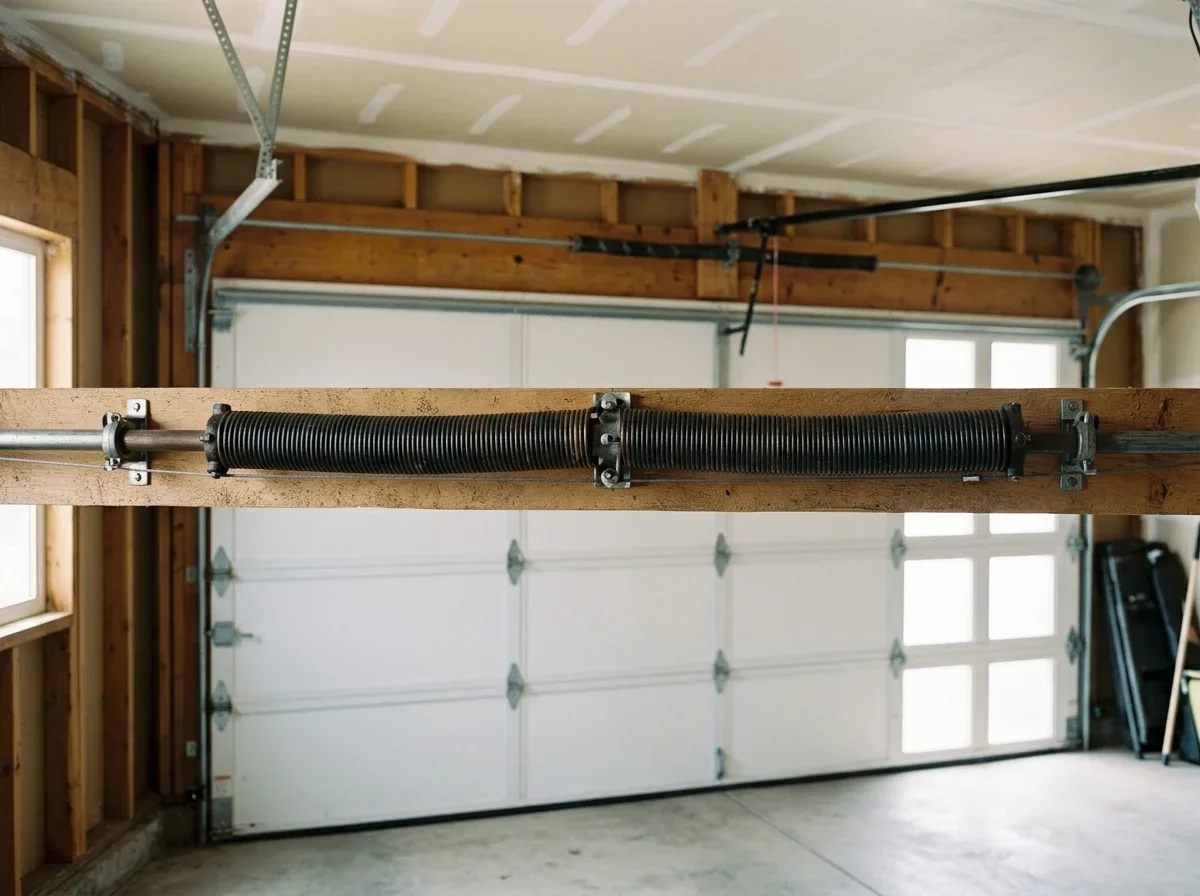
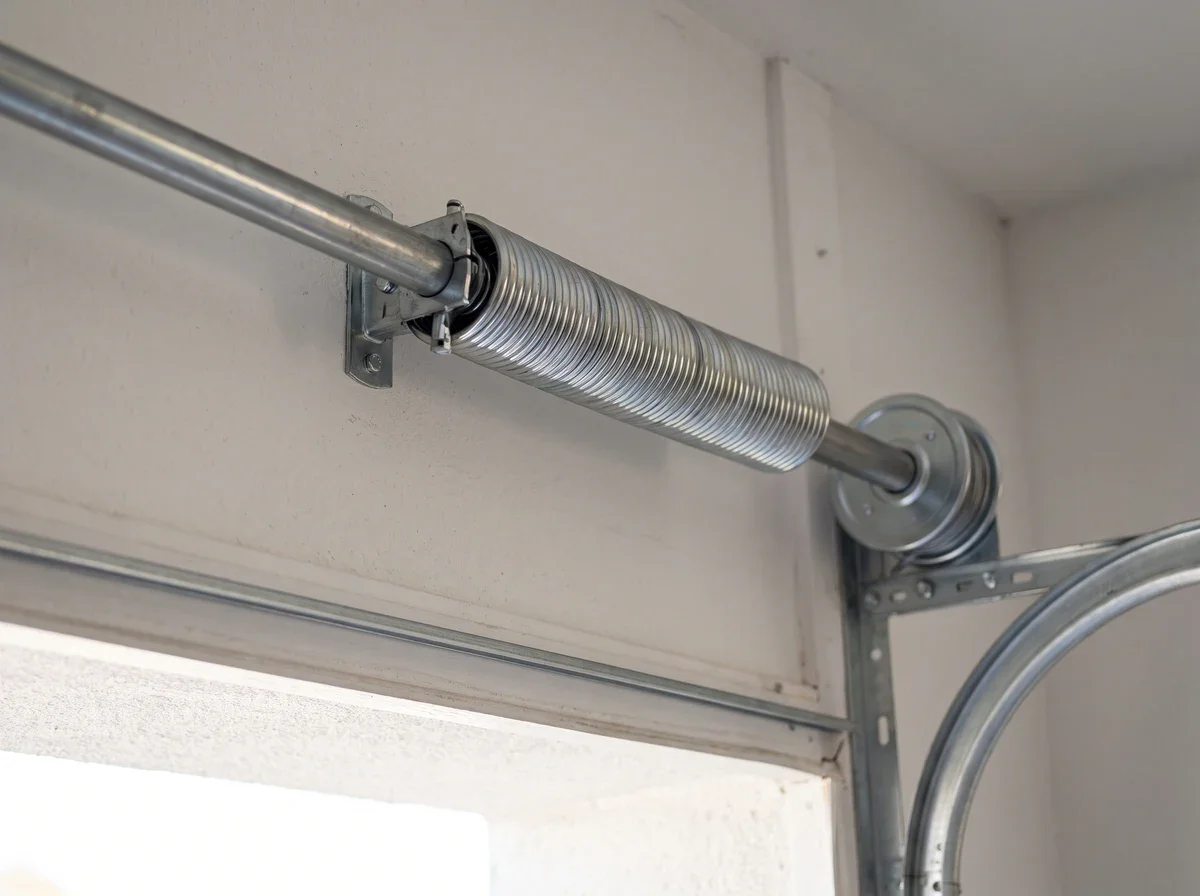
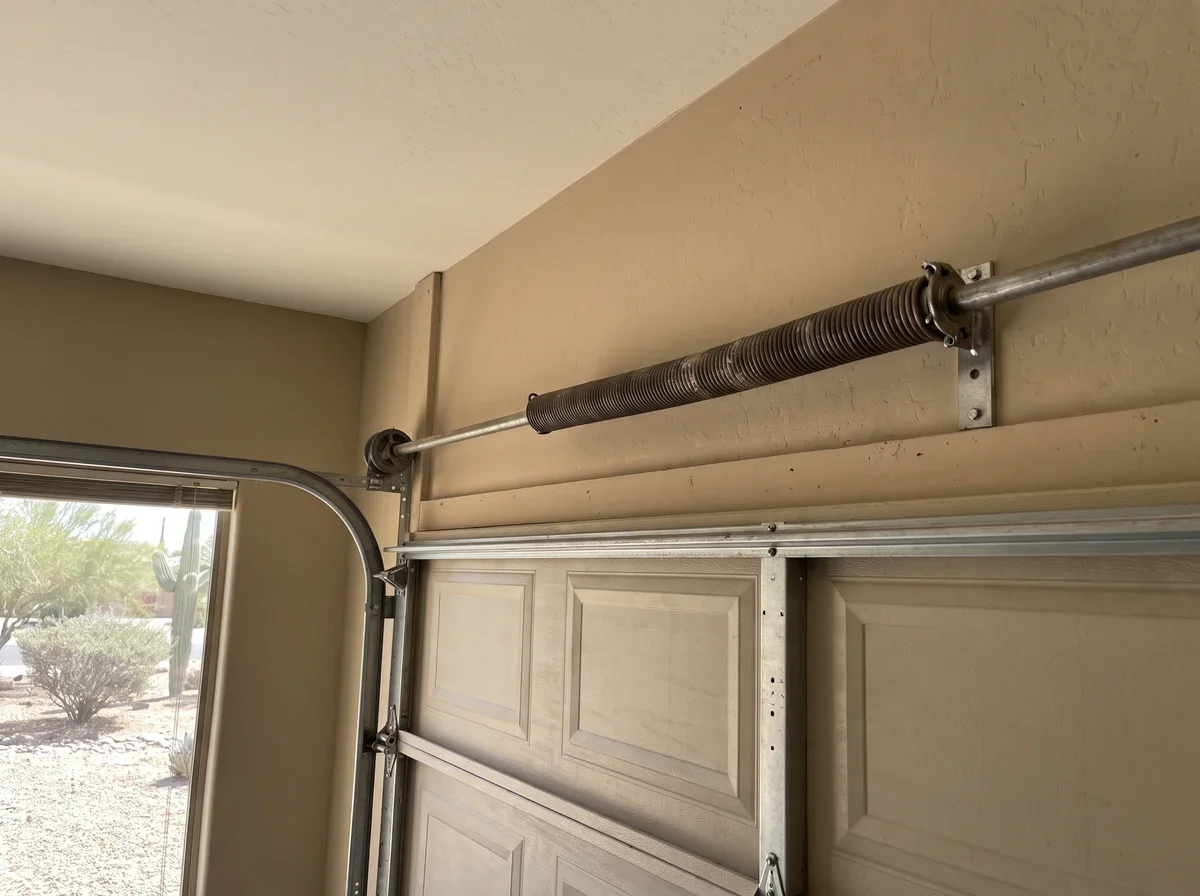
The Door & Access Systems Manufacturers Association (DASMA) identifies garage door springs as among the most dangerous parts of the system. It notes they are under high tension, and it recommends that spring repairs and adjustments be done only by trained technicians.[1] That guidance applies most strongly to torsion springs, the tube-mounted springs above the door.
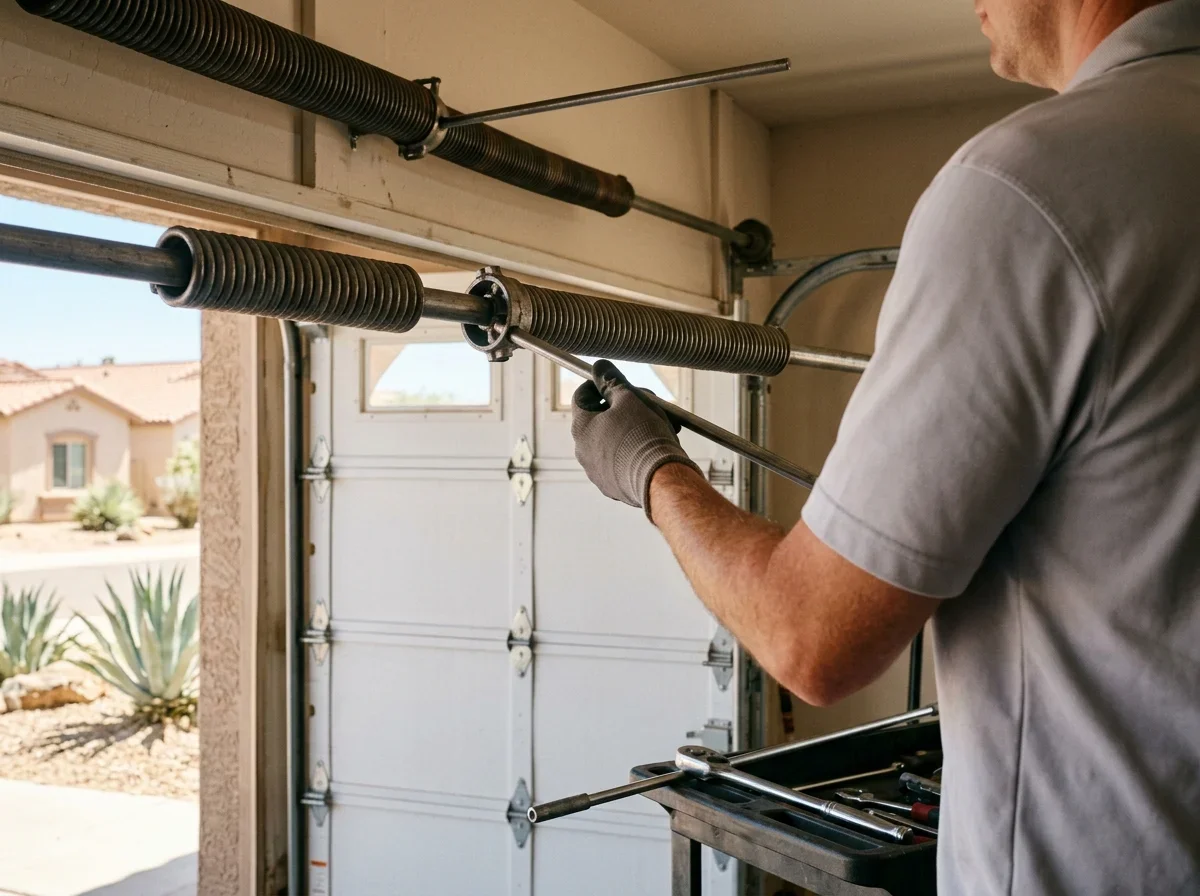
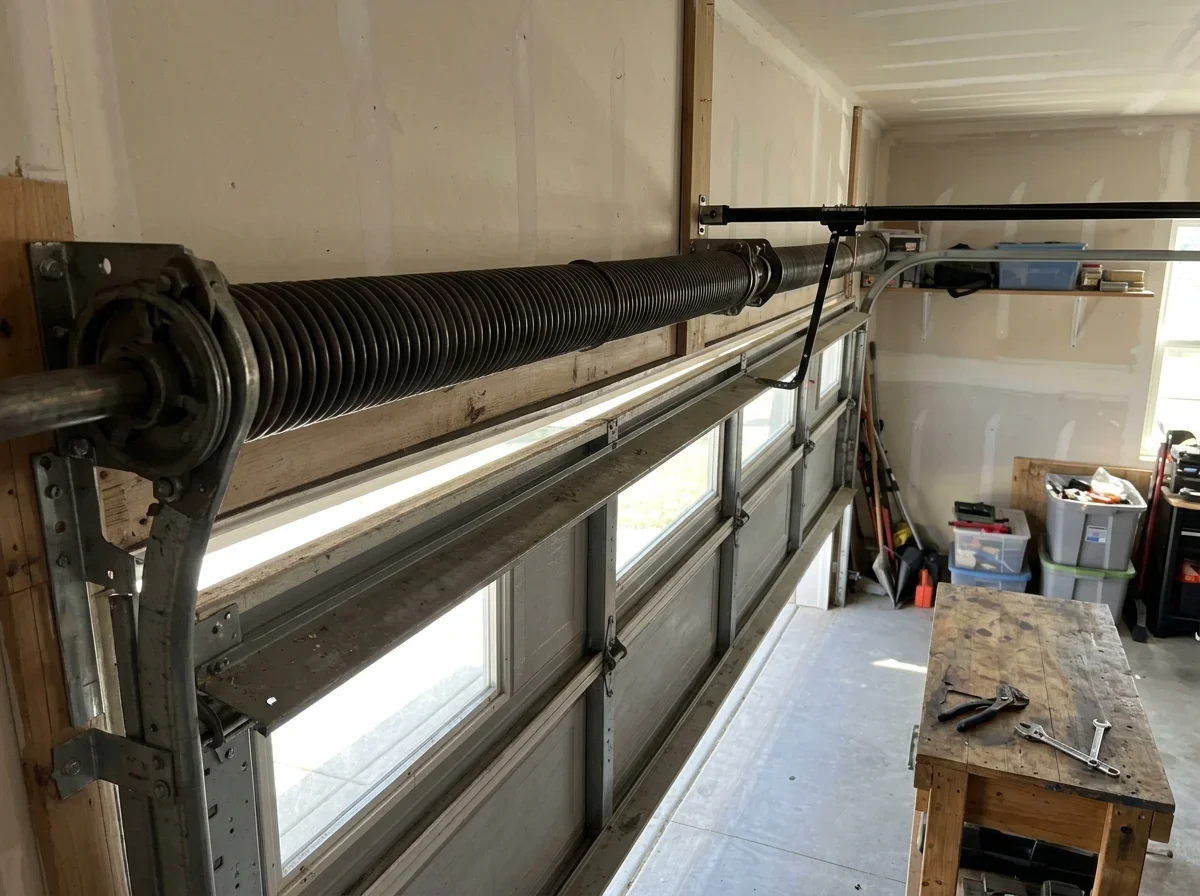
Extension springs, the long ones along the side tracks, carry risk too. DASMA recommends a safety cable through each one because a broken spring can cause injury.[1]
If your system lacks those cables, fix that before anyone touches the springs.
Risk and Tools for Each Route
A DIY swap takes more than a spring and a wrench. You need winding bars that fit the winding cone, a spring that matches your door, and a reliable way to secure the door so it cannot move while the counterbalance is released.
Screwdrivers and other improvised tools are not substitutes.
| Route | What you need | Main risk |
|---|---|---|
| DIY | Fitting winding bars, a matched spring, a way to secure the door | Wrong spring, torque, or turns |
| Professional | Technician with sized parts and experience | Unclear warranty terms unless written down |
Where mistakes happen
Matching the spring is harder than it looks. DASMA warns that incorrect spring identification, torque, or number of turns can create a safety issue, cause the door to drift downward, and add force to other counterbalance components.[2] Color codes help, but confirm them with physical measurements and the door's weight, especially on older doors.[3]
DASMA's residential counterbalance standard also treats torsion brackets, winding cones, pulleys, and other tensioned parts as needing warnings plus special knowledge, skills, or tools for removal.[4]
A generic video rarely covers the variations in your hardware.
What a pro brings
A technician arrives with the right bars, sized parts, and experience reading cables, drums, and brackets for wear. A good one also checks door balance after the swap, because a new spring on a worn system can still leave the door heavy or unbalanced.
Some companies back the work with a warranty. Ask for the terms in writing, including what the warranty covers and for how long.
Cost and When to Call a Pro
The spring itself is only part of the pro's bill. Labor, service or trip fees, cable inspection, and after-hours rates all shape the total, and they vary from company to company. Our guide to what drives spring replacement cost in Phoenix breaks those pieces down.
For DIY, price the springs and the correct winding bars, then compare that total with a written, itemized quote.
Weigh the savings against what a slipped bar or a miswound spring could cost you in injury, a damaged door, or a ruined opener.
Vetting a Phoenix pro
Confirm the contractor's license on the Arizona Registrar of Contractors lookup at roc.az.gov. Then ask directly for proof of workers' compensation and general liability coverage. Arizona does not require contractors to carry workers' comp, and the ROC bond is modest, so verify insurance yourself rather than assuming it.
Checklist
Before you hire
0 of 5 ticked
Tick them off as you go. Nothing is saved or sent.
Get at least two itemized quotes covering parts, labor, fees, and warranty.
If you are unsure of your spring type, door weight, or safe blocking method, that uncertainty is your answer. See our garage door spring repair and replacement service page to line up a licensed technician.
Questions
- Door & Access Systems Manufacturers Association (DASMA). "Garage Door Systems." https://www.dasma.com/safety-tips/garage-door-systems/. Accessed October 17, 2026.
- Door & Access Systems Manufacturers Association (DASMA). "Factors Affecting Spring Cycle Life." https://www.dasma.com/wp-content/uploads/pubs/TechDataSheets/CommercialResidential/TDS190.pdf. Accessed October 17, 2026.
- Door & Access Systems Manufacturers Association (DASMA). "Official Color Codes for Torsion and Extension Springs." https://www.dasma.com/wp-content/uploads/pubs/TechDataSheets/CommercialResidential/TDS171.pdf. Accessed October 17, 2026.
- Door & Access Systems Manufacturers Association (DASMA). "The New DASMA 103." https://www.dasma.com/the-new-dasma-103/. Accessed October 17, 2026.